Captain Jack: Strong Display Font for Bold Design
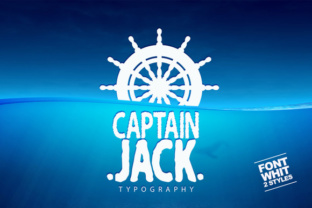
When you need a typeface that commands attention and leaves a memorable impression, Captain Jack offers exactly that. This is a display font built around strength and beauty, combining robust letterforms with a refined sense of style. Whether you're designing a poster, a brand logotype, or a social media graphic, Captain Jack gives your words a solid, confident presence. Its thick strokes and balanced proportions make it readable even at large sizes, while the subtle details add character without becoming distracting. For anyone who works with visual communication, understanding what makes this font special can open up new creative possibilities.
What Is Captain Jack?
Captain Jack is a display typeface designed to stand out. It belongs to the category of fonts meant primarily for headlines, titles, and short text blocks where impact matters more than long-form readability. Its most noticeable feature is its strength: the letters feel substantial, with sturdy stems, ample curves, and a solid baseline that anchors each word. But strong does not mean rough or aggressive. The font carries a beauty that comes from careful shaping of terminals, the gentle contrast between thick and thin parts, and a consistent rhythm across uppercase and lowercase characters.
The design draws inspiration from classic slab serifs and modern geometric sans serifs, but it settles into its own personality. It is neither overly formal nor playful. Instead, it strikes a balance that feels authoritative yet approachable. This mix makes Captain Jack versatile within the display font category. It can work for vintage-style designs as well as contemporary minimalism, depending on how you pair it with other elements.
Key Characteristics
- Bold weight with consistent stroke width: The letters maintain a uniform thickness that gives them a monolithic appearance.
- Open apertures: Characters like 'a', 'c', and 'e' have wide openings, which improves legibility even at smaller sizes for a display font.
- Distinctive serifs: They are blocky and short, adding structure without making the text feel crowded.
- Vertical stress: The vertical axis is pronounced, lending a stable, upright posture to the typeface.
- Generous x-height: Lowercase letters are relatively tall, which helps readability in headlines.
These traits together make Captain Jack a font that says “look at me” without shouting. It has presence.
Why You Might Want Captain Jack
Choosing a font is often about matching the emotion of your project. Captain Jack appeals to people who need a typeface that conveys reliability, power, and taste. For a freelancer designing a brand identity for a local brewery, the font can evoke craftsmanship and heritage. For a marketer creating a landing page for a rugged outdoor product, it adds a sense of durability and truthfulness. The font solves a common problem: how to make text visually important without relying on gimmicks or excessive decoration.
Beginners and casual users appreciate Captain Jack because it produces professional-looking results with minimal effort. Just type a title, set the size to 48 pt or larger, and the design instantly gains weight. There is no need to fiddle with kerning or adjust spacing extensively; the font’s built-in metrics are well balanced. For educators making classroom posters or event banners, this ease of use saves time and ensures clarity from a distance. For bloggers and small business owners, Captain Jack helps create visual hierarchies in headers, making content scannable and inviting.
Common Goals That Captain Jack Supports
- Grab attention quickly: In a crowded feed or a busy storefront, strong typography stops the eye.
- Establish authority: Thick, confident letters make a brand or message feel established and trustworthy.
- Create a consistent look: When used as the primary display face across materials (business cards, website headers, flyers), Captain Jack unifies the visual identity.
- Improve readability at scale: For event signage, exhibition banners, or slide titles, the font remains legible even when viewed from across a room.
These outcomes align with the needs of creators who want their work to be seen and remembered, not just read.
Where and How to Use Captain Jack
The strength of Captain Jack shines in contexts where space is limited and the message must be direct. Below are realistic use cases drawn from different fields. Each example shows how the font adapts to both digital and print environments.
Branding and Logo Design
A logo often relies on a single word or a short phrase. Captain Jack works well for wordmarks in industries like construction, tools, automotive, publishing, and food and beverage. For example, a woodworking studio could set its name in Captain Jack to suggest solid craftsmanship. A coffee roaster might use it for a limited-edition bag label, where the bold letters contrast smoothly with a hand-drawn illustration. The font’s beauty prevents it from feeling industrial or cold; it brings warmth through its humanist details.
Posters and Flyers
Posters need to communicate at a glance. Whether it’s a concert announcement, a university event, or a retail sale poster, Captain Jack handles the main headline. Pair it with a simple sans serif for body copy. The strong letters ensure the event name or discount percentage is the first thing people see from five metres away. In flyers, you can use the font for subheadings or call-to-action lines to maintain emphasis without overwhelming the layout.
Social Media Graphics
Instagram stories, Facebook covers, LinkedIn banners, and YouTube thumbnails all benefit from bold typography. Captain Jack fits into a square or landscape format nicely. For motivational quotes or product announcements, the font adds gravitas. One tip for beginners: use a contrasting color background and keep the text aligned left or centered. The font's solid forms do not need drop shadows or outlines to pop off the screen—just let the letters breathe.
Merchandise and Apparel
Printing on t‑shirts, mugs, or tote bags requires a font that reads clearly on fabric or curved surfaces. Captain Jack’s thick lines hold up well in screen printing and embroidery. A fitness brand could print a single word like “GRIT” or “FORGE” using Captain Jack; the letters convey effort and result. For hobbyists selling items on Etsy, this font can turn a simple design into a professional product.
Educational Materials and Presentations
Teachers and trainers often create slides, handouts, and posters. Captain Jack can be the title font in PowerPoint or Keynote. It helps slide titles stand out against busy backgrounds. For a safety poster in a workshop or a motivational quote in a classroom, the font ensures the message carries weight. Because it is a display font, avoid using it for large blocks of body text in presentations; reserve it for headers and key phrases.
Important Considerations Before Using Captain Jack
Like any specialized tool, Captain Jack works best when you understand its strengths and limits. Here are practical points to keep in mind.
Legibility at Small Sizes
While Captain Jack is readable as a display font, it is not designed for body text. Below 18 pt, the thick strokes may cause letters to appear crowded, especially in dense paragraphs. For smaller sizes, switch to a complementary sans serif or a lighter weight if available. Always test your design at the actual size it will be viewed.
Spacing and Tracking
When setting multiple words in all caps, you may want to loosen tracking slightly. Captain Jack’s letters are wide, and tight tracking in uppercase can make words blend together. A small amount of extra letter spacing (2–5%) improves clarity. For lowercase, the default spacing usually works well, but always preview your specific combination of letters.
Pairing with Other Fonts
Captain Jack pairs naturally with neutral sans serifs like Open Sans, Lato, or Montserrat. Avoid pairing it with another heavy display font to prevent competition. A good rule: use Captain Jack for the main headline, a thin or regular weight sans serif for subheadings, and a standard serif or sans for body text. This creates a clear hierarchy.
Licensing and Availability
Before using Captain Jack in commercial projects, check the license. Some display fonts are free for personal use but require a purchase for commercial applications. Read the terms carefully, especially if you are a designer working for clients or an entrepreneur selling products. Most foundries offer a desktop license and a web license separately. Ensure you have the right one for your intended use.
Context and Tone
Because Captain Jack is inherently strong, it may not suit every message. For a delicate, minimal design or a lighthearted children’s product, a softer or more playful font might serve better. Consider the emotional tone of your project. Captain Jack works for authority, tradition, stability, and boldness. If your brand or message aligns with those values, the font will feel natural and purposeful.
Getting Started with Captain Jack
If you are new to working with display fonts, start by downloading a sample or trying a free version. Many font marketplaces offer trial watermarked text or low-resolution previews. Experiment with different sizes, colors, and layouts. Write down a few words that represent your brand or project and see how they look in Captain Jack. Try it on a few mockups—a business card, a social media post, a poster—to see the effect in context.
One exercise for beginners: take a simple word like “HOME” or “WORK” and set it in Captain Jack at 72 pt. Then try adding a thin underline or a simple background shape. Notice how the font does most of the heavy lifting in terms of visual interest. Your design will look finished with very few extra elements. That is the value of a well‑crafted display font: it brings its own beauty and strength, so the rest of your work can stay clean and focused.
For professionals, Captain Jack offers reliability and consistency across media. Once you incorporate it into your type library, you will likely reach for it whenever a client brief asks for something “powerful” or “timeless.” Its combination of bold structure and elegant shapes means it never feels outdated, yet it also does not follow fleeting trends.
Whether you are designing a menu, a website hero section, or a product label, Captain Jack can elevate your text from simple words to a statement. Take the time to explore its nuances, test it in your projects, and you will discover why so many creators consider it a go‑to font for making an impression that lasts.