Fast and the Loudest Font You Are Not Using Yet
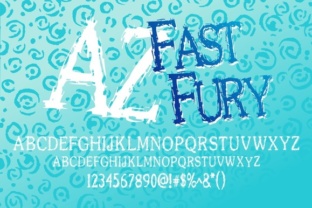
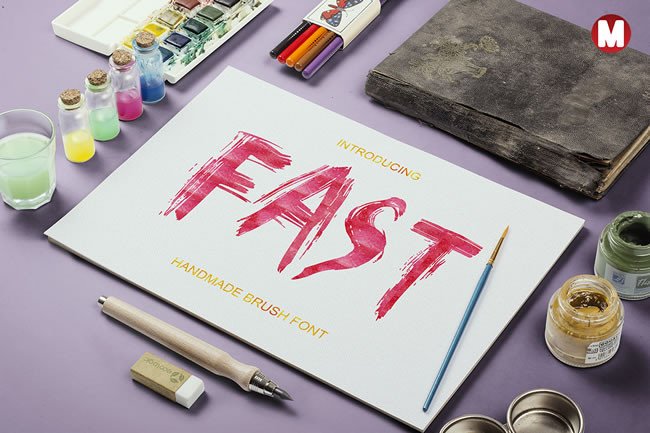
Some typefaces whisper. Fast shouts. It is a big, brash display font with a slight punk attitude, built for moments when subtlety is not the goal. Whether you see it on a poster slapped on a brick wall or splashed across a package on a shelf, Fast does not blend in. It is designed for the urban landscape, for the noise of the street, for the brand that wants to be heard before it is seen.
This is not a font for your body text. This is not a font for a corporate memo. Fast is for the moment when you need to grab someone by the collar and make them look. Let us explore where that kind of energy actually works in the real world, who benefits from it, and what you should think about before committing to it.
Where Fast Belongs in the Real World
The strength of Fast is its ability to command space. It thrives in environments where attention is scarce and competition is fierce. Think about the last time you walked through a busy city center. Your eyes scanned dozens of signs, posters, and storefronts. Most of them melted into the background. The ones that stopped you probably used a typeface with presence. Fast is that presence.
For gig posters, Fast is almost a cheat code. It captures the raw energy of live music, underground shows, and nightlife events. A band name set in Fast immediately signals that the show will be loud, unpolished, and authentic. It works for punk, hip-hop, electronic, and alternative genres where the visual identity needs to match the sound.
Packaging is another natural habitat. Consider a craft beer label aiming for a gritty, industrial vibe. A can of IPA with Fast on the front tells the consumer that this is not a soft drink. It is something with bite. The same applies to streetwear packaging, limited edition sneaker boxes, and independent snack brands that want to feel rebellious rather than polished. Fast gives packaging a voice that says, "This is for people who do not follow the rules."
Advertising in urban environments benefits heavily from Fast. Billboards, bus shelter ads, and wild postings compete with thousands of other messages. A headline set in Fast can be read from a distance, even when partially obscured or viewed at an angle. It cuts through the visual clutter of a city street better than most clean, minimalist typefaces because it does not ask for your attention. It takes it.
Branding for the Unconventional
Not every brand wants to feel friendly and approachable. Some brands want to feel dangerous, edgy, or disruptive. Fast is a tool for that kind of identity work. If you are branding a tattoo shop, a skateboard company, a record label, or a barbershop with attitude, Fast can anchor your visual system with a single bold statement.
It also works well for event branding. Music festivals, art shows, pop-up markets, and underground club nights all benefit from a typeface that feels immediate and temporary. Fast has a handmade quality that suggests urgency. It looks like it was drawn with a marker on a deadline, which is exactly the energy a last-minute event poster needs.
Signage is another area where Fast shines, especially indoor signage in venues that want a specific aesthetic. A pizza joint with a punk vibe, a skate park, or a retro arcade can use Fast on their wall signage to reinforce the experience. It is not a font you would put on a hospital directory or a law office plaque, and that is the point. Fast is for spaces that want to feel alive and a little rough around the edges.
Who Benefits from Fast and How
Different users will extract different value from this typeface. A graphic designer working on a festival campaign will use Fast for its visual impact and ability to work at large sizes. A small business owner printing flyers for a local event will appreciate how Fast makes their message look professional without looking corporate. A packaging designer for a beverage brand will use Fast to communicate a specific lifestyle and attitude.
Independent creators and freelancers find Fast particularly useful. When you do not have a big budget for elaborate illustrations or photography, a bold typeface does the heavy lifting. A single word set in Fast on a T-shirt design, a sticker, or a social media graphic carries enough visual weight to stand on its own. It reduces the need for complex layouts because the font itself is the focal point.
Agency professionals working on rebrands for clients in the music, fashion, or entertainment industries can use Fast to inject energy into a visual identity that feels stale. It works as a display accent paired with a neutral sans-serif for body text. The contrast between a brash headline and clean supporting text creates a dynamic hierarchy that feels intentional and modern.
Practical Examples of Fast in Action
- Gig poster for a local band: Band name in Fast at 120pt, venue and date in a simple sans-serif below. The poster prints well in black and white, keeping production costs low while looking like it belongs in a record shop window.
- Beer can label: The beer name set in Fast across the front panel, with a distressed texture applied to the lettering. It reads clearly on a shelf from three meters away, outperforming competitor labels with smaller, cleaner fonts.
- Streetwear drop announcement: A single word, the collection name, set in Fast on a plain background. Posted on Instagram, it grabs attention in a feed full of polished lifestyle photos. The raw typography stands out more than another perfectly styled flat lay.
- Pop-up market signage: Large vinyl letters applied to a window. Fast reads clearly through reflections and from across the street. The punk attitude of the font matches the DIY ethos of the market itself.
- Tattoo studio business card: Studio name in Fast on thick black stock, white ink. The card feels tactile and rebellious. It gets kept because it looks like something worth holding onto.
What to Consider Before Using Fast
Fast is not a universal solution. Its biggest strength—its loud, brash personality—can become a weakness in the wrong context. Before you commit, think about the message you are sending. Fast tells people that you are edgy, urban, and nonconformist. If your product or service does not align with that perception, the font will create a mismatch that confuses your audience.
Legibility is another factor. Because Fast is big and bold, it works best at larger sizes. Do not use it for long paragraphs, small print, or anything that needs to be read quickly at a distance with fine detail. It is a display font, meaning it is meant to be seen, not read extensively. Reserve it for headlines, short phrases, and key words.
Consider your audience as well. Fast resonates with people who appreciate counterculture aesthetics. If your target demographic is conservative, corporate, or looking for trust and stability, this typeface will work against you. It will feel aggressive rather than inviting. Knowing your audience is essential before letting Fast speak on your behalf.
Production and printing also matter. The bold strokes and tight spacing of Fast hold up well in screen printing, vinyl cutting, and large format printing. However, on very small items like pins, buttons, or small stickers, the details might overwhelm the space. Always test the font at the actual production size before finalizing a design.
Strengths and Limitations at a Glance
Strengths: Fast commands attention in crowded visual environments. It conveys authenticity, rebellion, and urban energy without needing additional illustration or decoration. It works exceptionally well at large sizes, in limited color palettes, and across print and digital applications. It is memorable and distinctive, which is exactly what you want from a display typeface.
Limitations: Fast is not versatile for body copy or small-scale use. Its personality limits it to specific brands and audiences. It can feel overwhelming if overused, so it works best as an accent rather than a primary typeface across an entire identity. It also may not age well if trends shift away from punk and street aesthetics, so consider the longevity of your project before committing.
Making the Most of Fast
If you decide Fast fits your project, pair it with restraint. Use it sparingly so each appearance carries maximum impact. Combine it with clean, simple fonts that let Fast take center stage without competing for attention. Neutral sans-serifs like Helvetica, Futura, or even a basic system font work well as companions.
Color choices matter too. Fast looks natural in black, white, and high-contrast combinations. Neon colors, metallics, and spot colors can amplify its punchy character. Avoid pastels and muted tones, which soften the font's raw edges and dilute its message.
Texture and finishes can enhance Fast further. Letterpress, foil stamping, or rough paper stocks add a tactile dimension that matches the font's visual attitude. Digital applications can benefit from subtle grain, noise, or halftone effects that echo print imperfections, reinforcing the handmade, punk feel.
Fast is not for everyone, and it is not for every project. But when you need to be seen, heard, and remembered in a world that is already too loud, Fast gives you a voice that cuts through the noise. Use it with intention, and it will reward you with presence.