Azra: The Rough-Edged Brush Font That Brings Authentic Grit to Modern Design
In a digital landscape that often feels polished to the point of anonymity, designers and brand-builders are increasingly reaching for tools that convey texture, humanity, and edge. Enter Azra, a hand-crafted paint brush font built for those who want their work to feel raw, tactile, and anything but generic. Available in two distinct versions—Azra Regular and Azra Italic—this typeface delivers a rugged, expressive aesthetic that resonates deeply with audiences tired of sterile visuals.
But Azra is more than just another display font. It represents a broader shift in how creators, marketers, and entrepreneurs approach visual identity: the move toward authenticity over perfection, and personality over polish. This article explores what makes Azra a standout choice in today's creative landscape, why it's gaining traction across industries, and how it fits into larger trends reshaping design, branding, and content creation.
What Is Azra? Understanding a Rough-Edged Brush Font
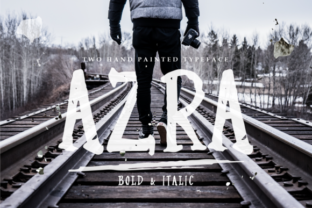
Azra is a rough-edged brush font that mimics the look and feel of real paint strokes applied with a worn brush. Unlike clean, vector-based typefaces that prioritize geometric precision, Azra celebrates imperfection. Each letterform carries deliberate irregularities—uneven thicknesses, splatter-like edges, and a distinct hand-drawn quality that no algorithm can fully replicate.
The font comes in two complementary versions:
- Azra Regular — A bold, upright brush script that commands attention. Its heavy strokes and gritty textures make it ideal for headlines, posters, and hero sections where you want instant impact.
- Azra Italic — A slanted, more dynamic variant that adds movement and urgency. The italic version works well for subheadings, accent text, or any context where you need to suggest speed, action, or emphasis.
Both versions share the same hand-crafted DNA: irregular ink distribution, subtle dry-brush effects, and a general sense that a human being made this—not a machine. That distinction is everything in a market saturated with cookie-cutter design assets.
The Return of Authenticity: Why Rough Textures Matter Now More Than Ever
For years, the design world chased minimalism and clean lines. Sans-serif fonts, flat colors, and generous white space became the default language of brands trying to appear modern and trustworthy. But as that aesthetic reached saturation, a counter-movement emerged. Audiences began craving authenticity, warmth, and tactile reality—qualities that smooth, perfect designs often lack.
This shift is visible across multiple domains:
- Branding: Startups and established companies alike are swapping sterile logos for hand-drawn wordmarks, textured backgrounds, and imperfect typography that signals honesty and approachability.
- Content marketing: Blog headers, social media graphics, and video thumbnails increasingly use rough brush fonts to break through the noise and create emotional connection.
- Packaging: Craft breweries, artisanal food brands, and indie product lines use hand-lettered typography to communicate small-batch quality and human care.
Azra fits squarely into this movement. Its rough edges and paint-brush character make it a natural choice for brands that want to say: We're not corporate. We're real. We made this by hand. That message resonates powerfully in an era where consumers are skeptical of mass-produced everything.
The Psychology of Imperfection in Typography
Why do imperfect fonts like Azra work so well? The answer lies in cognitive fluency and perceived effort. When we see a perfectly uniform typeface, our brains process it easily, but we also register it as machine-made—and therefore impersonal. Imperfect typography, by contrast, requires slightly more cognitive engagement, but it also signals human effort, care, and uniqueness.
Research in consumer psychology suggests that people perceive handmade or hand-crafted elements as more valuable and trustworthy. A rough brush font like Azra taps directly into that perception, making it a powerful tool for brands that want to build deeper connections with their audience.
Azra in Practice: Where and How to Use This Font
Azra's bold, expressive nature makes it best suited for display and accent roles rather than body text. Its rough edges and heavy strokes demand space and attention, making it ideal for situations where you need to make a strong impression quickly.
Headlines and Hero Sections
Use Azra Regular for main headings on landing pages, product launch announcements, or campaign hero banners. The font's grit gives headlines a physical presence that draws the eye and sets a rebellious or energetic tone. Pair it with a clean, neutral sans-serif for body copy to maintain readability while keeping the visual punch.
Posters, Flyers, and Print Collateral
Because Azra mimics real paint, it feels at home in print materials where texture matters. Event posters, music festival flyers, garage sale signs, or activist campaign printouts all benefit from the font's raw energy. The italic variant works especially well for taglines or dates where you want to suggest motion or urgency.
Social Media and Digital Content
In the crowded scroll of social media feeds, rough typography stops thumbs. Use Azra for quote cards, promotional graphics, or story overlays. The font's imperfections make it look more organic and less like a templated graphic, helping content feel more personal and shareable.
Branding for Creative Industries
If you're branding a tattoo parlor, a skateboard company, a music studio, or a streetwear line, Azra should be high on your list. Its tough, hand-painted look aligns perfectly with subcultures that value authenticity and edge. The font's dual versions give you flexibility to differentiate between primary branding (Regular) and secondary messaging (Italic).
Why Creators and Entrepreneurs Are Paying Attention to Azra
The growing interest in Azra isn't accidental. It reflects several converging trends in how professionals and business owners approach design and communication:
Demand for Differentiated Visual Identity
In every industry, competition is fierce. A generic logo or template-based design makes it hard to stand out. Entrepreneurs and freelancers are increasingly commissioning custom typography or seeking unique font families like Azra that give them an immediate point of difference. Using a distinctive brush font signals that you've invested thought and care into your brand—a powerful differentiator in any market.
The Rise of DIY and Indie Aesthetics
From indie publishing to solo creator brands, the aesthetics of handmade, low-budget, and authentic are having a moment. Platforms like Instagram, Etsy, and Substack thrive on content that feels personal and unfiltered. Azra's paint-brush character fits this vibe perfectly, helping solo creators and small teams look like they have a distinct visual point of view without needing a full design studio.
Workflow Efficiency and Versatility
For busy professionals, having a font family with two thoughtfully designed variants saves time. Azra Regular handles the heavy lifting for main headlines, while Azra Italic provides a natural companion for emphasis or secondary text. This reduces the need to mix multiple typefaces, simplifying design workflows while maintaining a cohesive look across materials.
Connecting Azra to Broader Industry and Consumer Trends
Azra's relevance goes beyond typography nerdery. It sits at the intersection of several larger shifts in how brands, creators, and consumers interact.
The Post-Digital Hunger for Tactile Reality
As we spend more of our lives in digital environments, the desire for physical, tactile experiences grows. This "post-digital" hunger drives everything from the resurgence of vinyl records to the popularity of handmade ceramics. In design, it manifests as a preference for textures, irregularities, and elements that look like they could exist in the real world. Azra feeds this hunger by bringing the physical process of brush painting into digital spaces.
The Authenticity Premium in Marketing
Consumers are more skeptical than ever. They can spot stock photos, templated designs, and insincere branding from a mile away. Brands that invest in authentic visual language—including custom or distinctive typography—command a trust premium. Using a rough brush font like Azra signals that you're not trying to fool anyone with corporate polish. You're showing your hand, literally.
The Shift Toward Expressive, Personality-Driven Design
For years, "professional" design meant safe, neutral, and unobtrusive. That paradigm is shifting. More brands now understand that having a personality is an asset, not a liability. Whether you're a freelance consultant, a startup founder, or a marketing director at a mid-size company, expressing a clear visual personality helps you attract the right audience and repel the wrong one. Azra gives you the tools to express boldness, creativity, and a bit of rebellion—all qualities that resonate with audiences looking for authentic connections.
Practical Observations for Using Azra Effectively
To get the most out of Azra, keep these practical tips in mind:
- Give it space. Because Azra is visually dense and textured, it needs breathing room. Avoid crowding it with other bold elements. Let the font be the focal point.
- Pair with clean typography. Azra works best when juxtaposed with simple, readable typefaces. A neutral sans-serif or a classic serif for body copy creates contrast that lets Azra shine.
- Use it selectively. A little Azra goes a long way. Reserve it for key messages and headlines rather than applying it to every line of text. This preserves its impact and prevents visual fatigue.
- Consider the medium. Azra performs excellently in both print and digital contexts, but test it at different sizes. Its rough edges can become muddy at very small sizes, so keep it at display scale for best results.
- Layer with texture. For maximum effect, pair Azra with textured backgrounds—think paper grain, concrete, canvas, or subtle grunge overlays. This reinforces the hand-crafted feel and creates a cohesive aesthetic.
Why Azra Deserves a Place in Your Design Toolkit
Azra is not just another trendy brush font. It's a carefully crafted tool that meets a real and growing need: the need for visual authenticity in a world drowning in sameness. Whether you're a graphic designer building a brand identity, an entrepreneur launching a product, a marketer creating campaign assets, or a content creator trying to stand out on social media, Azra gives you a way to inject personality, texture, and genuine human energy into your work.
The two versions—Azra Regular and Azra Italic—offer flexibility without sacrificing consistency. You get the bold statement of a brush-painted headline and the dynamic motion of an italic accent, all from one family. That's practical value wrapped in aesthetic punch.
As the design world continues to move away from sterile perfection and toward expressive, human-centered visuals, typefaces like Azra will only become more valuable. They represent a shift in how we think about communication: not just conveying information, but conveying feeling, attitude, and identity.
If you're ready to give your next project a tough, hand-crafted edge that audiences will actually feel, Azra is worth a serious look. It's a font that doesn't just sit on the page—it leaves a mark.