Gory Madness: Strategic Use of a Horror Font for Branding and Communication
Choosing the right typeface is rarely a casual decision when it carries the weight of your brand, message, or creative project. Gory Madness, a horror genre font inspired by vintage movie posters from the 1970s, offers more than a decorative scare. It evokes a specific era of analog dread, theatrical decay, and visceral storytelling. For entrepreneurs, marketers, creators, and professionals who work with visual identity or content, understanding when and how to use such a distinct font can determine whether your message resonates or repels.
Let’s explore what Gory Madness actually provides from a strategic standpoint, how you can integrate it thoughtfully into your work, and what risks come with deploying a style that intentionally breaks norms. This isn’t about hype or superficial shock value. It’s about making deliberate choices that serve your goals, audience, and long-term outcomes.
What Gory Madness Brings to Your Toolkit
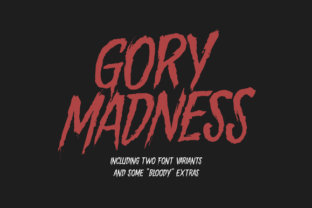
Gory Madness draws directly from the hand-lettered, gritty aesthetic of 1970s horror posters. You see textures that mimic rough brushstrokes, irregular letter spacing, and distressed edges that suggest age, damage, or decay. This is not a clean, neutral typeface. It carries immediate emotional weight. The font communicates unease, nostalgia for cult cinema, and a raw, unpolished energy that polished sans-serif fonts cannot replicate.
From a practical perspective, Gory Madness works because it triggers recognition. Audiences familiar with classic horror, exploitation films, or underground art instantly associate the style with specific genres and moods. For a brand or project targeting that subculture, using this font signals insider knowledge and authenticity. It also creates contrast. In a digital landscape dominated by sleek, uniform typography, a rugged, imperfect typeface can stop the scroll and demand attention.
However, strategic value depends on alignment. If your goal is to build trust for a financial service or a healthcare product, Gory Madness will work against you. But if you are launching a horror podcast, a Halloween event series, a dark-themed apparel line, or a narrative game with vintage horror influences, the font becomes an asset that reinforces your positioning without additional explanation.
Why Intentional Use Matters More Than Random Application
The most common mistake professionals make with distinctive fonts like Gory Madness is using them for the sake of looking edgy or different. Random application weakens your message because the audience senses inconsistency. If your website uses Gory Madness for headlines but the rest of your content uses generic corporate fonts, the mismatch creates cognitive friction. People may not articulate why, but they sense something is off.
Intentional use means asking specific questions before you commit: What emotional response do I need from my audience? Does this font reinforce or distract from my core message? Can I sustain this style across multiple touchpoints? When you treat Gory Madness as a deliberate tool rather than an impulsive decoration, you gain control over how it influences perception.
For example, a small business owner running a haunted attraction might use Gory Madness for the main logo, posters, and social media graphics, but switch to a readable, neutral font for ticket purchasing instructions or liability waivers. That distinction shows you understand where atmosphere serves the experience and where clarity serves the transaction.
Aligning Gory Madness with Your Goals and Planning
Every font choice should support a broader strategy. Whether you are a freelancer building a portfolio or a marketer planning a seasonal campaign, Gory Madness can help you achieve specific outcomes if you map its use to your objectives.
Branding and Positioning
Brands that operate in horror, alternative culture, or nostalgia-driven markets can use Gory Madness to anchor their visual identity. The font communicates a clear personality: bold, unapologetic, and rooted in a specific historical moment. This can differentiate you in crowded categories where competitors rely on safe, generic aesthetics.
Consider a horror streaming service launching a curated collection of 1970s cult films. Using Gory Madness across the campaign signals that the content is authentic, not sanitized for modern sensibilities. The font becomes part of the curatorial statement. It tells your audience, “We understand the era, the textures, and the mood you are looking for.” This builds credibility with a niche but passionate audience.
Creativity and Productivity
For creators, fonts are more than decoration. They set the tone for the entire creative process. If you are designing a poster, a book cover, or a video thumbnail, starting with Gory Madness can unlock a specific visual direction. The limitations of the font—its irregular shapes and distressed feel—actually guide your choices. You might lean into darker color palettes, rougher textures, or composition styles that match the font’s raw energy.
This constraint can accelerate decision-making. Instead of wandering through hundreds of neutral options, you commit to a style early and build around it. That efficiency supports productivity, especially when deadlines are tight. However, reserve this approach for projects where the horror aesthetic is appropriate. Forcing creativity with a mismatched font wastes time and leads to results that feel forced.
Practical Examples for Different Use Cases
Let’s examine realistic scenarios where Gory Madness can be applied strategically. Each example includes planning considerations and outcomes to expect.
Event Promotion for a Horror-Themed Convention
An organizer planning a local horror convention needs promotional materials that generate excitement and communicate genre authenticity. Using Gory Madness for the event name on flyers, digital ads, and banners immediately signals to potential attendees that the event embraces classic horror culture. The font’s vintage feel also justifies a retro design approach, which can reduce production costs by relying on simple, high-contrast layouts.
Planning tip: Test the font at different sizes. Gory Madness may lose legibility at small scales, so reserve it for headlines and key calls to action. Use a clean, complementary font for dates, locations, and fine print. That balance maintains atmosphere without sacrificing usability.
Merchandise Design for an Indie Clothing Line
A small fashion brand focused on horror-inspired streetwear can use Gory Madness as a core logo element on t-shirts, hoodies, and patches. The font’s distressed texture aligns naturally with screen printing techniques, where slight imperfections in ink application add authenticity. Customers drawn to vintage horror aesthetics will perceive the font choice as a mark of quality, not a shortcut.
Strategic observation: The same font on a digital mockup will look different when printed on fabric. Order a physical sample before mass production. The interaction between font texture and fabric grain can enhance or muddy the legibility. A test run prevents costly mistakes and ensures the final product meets your standards.
Podcast or YouTube Channel Branding
Content creators in the horror niche need visual consistency across platforms. Using Gory Madness for episode title cards, thumbnail overlays, and channel banners builds a recognizable identity. Viewers who see the font repeatedly associate it with your content, which strengthens brand recall over time.
Decision-making guidance: Pair Gory Madness with a neutral, high-legibility font for descriptions and subtitles. This respects accessibility. Not all viewers can decipher decorative fonts quickly, especially on mobile screens. A thoughtful pairing shows you prioritize audience experience alongside aesthetic.
Risks and Considerations Before Committing
Gory Madness is not a universal solution. Using it without clear goals or context can damage credibility, confuse your audience, and undermine trust. Here are common risks and how to address them.
Misalignment with Audience Expectations
If your audience expects professionalism, clarity, or warmth, a horror font creates immediate disconnect. For example, using Gory Madness on a corporate website for a cybersecurity firm might suggest threat or danger, but likely in the wrong way. Clients may perceive the brand as unserious or even unprofessional. Always evaluate whether your audience’s mental model includes room for a horror aesthetic. If it does not, the font will create noise, not signal.
Reduced Legibility and Accessibility
The same features that make Gory Madness evocative—distressed edges, irregular spacing, uneven strokes—also reduce readability, especially at small sizes or on low-resolution screens. Relying on this font for body text or complex information guarantees frustration. Plan for a complementary type system that handles the functional roles. Reserve Gory Madness for impact, not exposition.
Overuse or Trend Dependency
Relying on a single distinctive font across all your materials can create monotony. If every headline, subheading, and decorative element uses Gory Madness, the effect diminishes. The audience becomes numb to the visual cue. Worse, if the font becomes associated with a passing trend, your brand may look dated when the trend fades. Use the font as an accent, not a crutch. Rotate it with other appropriate styles to keep your visual language fresh without losing identity.
Long-Term Value Through Intentional Typography
Gory Madness offers more than a fleeting thrill. When deployed with strategy, it becomes a durable component of your visual identity that reinforces your positioning, builds recognition, and communicates a specific cultural literacy. The long-term value comes from consistency and restraint. Use it in the same contexts, for the same purposes, and alongside complementary design elements. Over time, your audience will associate the font with your unique perspective, which is a form of brand equity.
For decision-makers, this means treating Gory Madness as an investment in specificity. Instead of chasing trends, you are choosing a style that aligns with a defined audience and a clear message. That alignment supports better outcomes across branding, marketing, and customer experience because every visual choice reinforces the same narrative.
A Final Strategic Observation
The most effective typography decisions are invisible in their success. When a font works well, the audience feels the intended emotion without noticing the typeface at all. Gory Madness can achieve that if you embed it into a coherent system. If you use it randomly, it becomes a distraction. If you use it thoughtfully, it becomes a silent partner in your communication. Start with your goals, evaluate the fit honestly, and let the font serve your strategy rather than the other way around.