Bloody – A Horror-Inspired Font with Endless Creative Potential
When a design project calls for an immediate jolt of atmosphere, few tools match the visceral impact of a well-chosen typeface. Bloody steps into that space as a horror-inspired font that does more than just spell words—it sets a mood. Whether you are building a poster for an indie film, sketching a logo for a haunted attraction, or printing custom T‑shirts for a Halloween pop‑up, this typeface brings a raw, theatrical edge that straight‑edged fonts rarely achieve. What makes Bloody particularly relevant today is how seamlessly it bridges the growing appetite for dark, nostalgic aesthetics with practical, everyday design needs.
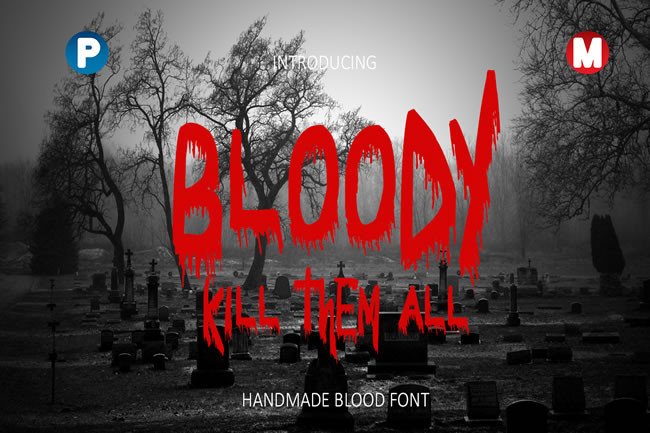
The font’s design draws from classic horror tropes: jagged edges, uneven strokes, and a sense of deterioration that mimics old bloodstains or weathered tombstones. Yet it avoids becoming a novelty—it remains legible enough for headlines and short body copy, which is why it has found a home in both professional branding kits and amateur crafting projects. In an era where audiences crave authentic, emotionally charged visuals, Bloody offers a shortcut to that feeling without requiring expensive illustration or complex photo manipulation.
Why the Horror Aesthetic Resonates Today
Horror has long been a staple of entertainment, but recent years have seen it surge into mainstream branding and lifestyle products. From dark‑academia interiors to gothic‑inspired streetwear, the visual language of fear and mystery is no longer confined to October. Part of this shift comes from a cultural fascination with the macabre—people are drawn to the honesty of imperfection, decay, and the unknown. Bloody capitalises on this by offering a typographic voice that feels both timeless and of the moment.
For creators and entrepreneurs, using a font like Bloody signals a willingness to break away from sterile, corporate design. It works especially well for businesses that want to project a rebellious, underground, or nostalgic vibe—think craft breweries with horror‑themed labels, podcast cover art for true‑crime shows, or event flyers for goth‑night parties. The font taps into a shared cultural reference point that instantly communicates genre, saving you paragraphs of copy.
How Bloody Fits into Evolving Typography Trends
Typography has moved far beyond the classic serif‑versus‑sans debate. As digital tools become more accessible, designers are experimenting with display fonts that carry personality and narrative weight. Bloody belongs to a growing category of “mood fonts” that prioritise emotional resonance over pure readability at tiny sizes. This trend mirrors changes in how we consume media: quick scrolls, bold thumbnails, and shareable graphics demand fonts that grab attention in milliseconds.
Bloody also aligns with the resurgence of hand‑drawn and imperfect lettering. People are tired of precision that feels inhuman. The deliberate unevenness in Bloody’s letterforms—the dripping details, the sharp spikes—mirrors the DIY authenticity that modern audiences trust. Whether you’re designing a T‑shirt for a band or a label for a small‑batch hot sauce, this font tells your audience that you have put thought into the atmosphere, not just the message.
Another trend supporting Bloody is the blending of analog and digital workflows. Many artists now scan ink splatters, distress textures, and hand‑lettered alphabets to create hybrid fonts. Bloody fits this aesthetic perfectly because it already carries the imperfections that designers used to add manually. Using it saves hours of post‑processing while delivering a result that feels crafted, not canned.
Practical Applications: From Posters to Labels and Beyond
The versatility of Bloody might surprise you. Because the font carries a strong genre cue, it works best when paired with simple layouts and contrasting elements. Below are some of the most effective use cases observed across different industries:
- Posters and flyers – Horror movies, concerts, theatre productions, and escape rooms benefit from Bloody’s ability to make a title shout urgency. Use it for the main headline and keep supporting text in a clean sans‑serif to avoid visual noise.
- T‑shirt and apparel designs – A single word or short phrase in Bloody can carry an entire shirt design. Pair it with a vintage‑style illustration or a distressed background for a worn‑in look that appeals to streetwear and convention markets.
- Logos and branding – Small businesses like tattoo parlours, Halloween pop‑up stores, or horror‑themed cafés use Bloody as the core of their logotype. Its distinct texture helps the brand stand out on storefronts, menus, and social media.
- Letterheads and stationery – Even in a digital‑first world, physical mail leaves an impression. A letterhead using Bloody for the company name sets an immediate tone—perfect for event invitations, press kits, or merchandise packaging.
- Labels and packaging – Craft beer, hot sauce, candles, and bath products with names like “Witch’s Brew” or “Blood Orange” gain authenticity when the label uses a horror font. Bloody communicates the theme before the customer reads a single ingredient.
- Cards and invitations – Halloween parties, horror‑themed weddings, and book launches can use Bloody for the main text on invites, RSVP cards, or thank‑you notes. It adds a playful, spooky elegance without being cartoonish.
- Digital graphics and social media – Thumbnails for YouTube videos, Instagram story titles, and banner ads all benefit from a font that stops the scroll. Bloody works especially well for true‑crime, horror‑game, or paranormal content creators.
Designing with Bloody: Tips for Maximum Impact
To get the most out of Bloody, a few practical considerations can elevate your work from cliché to compelling. First, contrast is your ally. Because the font itself carries heavy decoration, pair it with a neutral background—black, white, dark grey, or deep red—and avoid adding too many effects like drop shadows or glows that compete with the letter shapes. A simple, flat layout often reads as more sophisticated.
Second, respect spacing. Bloody’s letterforms are wide and have protruding edges. Tight kerning can make words unreadable, so give each character room to breathe. If you are using it for longer phrases, consider increasing letter spacing (tracking) by 10–20 % to preserve legibility.
Third, experiment with texture overlays. A subtle paper‑grain or a slight blur on the font layer can mimic screen‑printed T‑shirt effects or aged poster inks. This technique is especially popular among creators who want an analog feel without scanning actual prints.
Finally, use it sparingly. Bloody is a display font—it is designed for impact, not for body text. Reserve it for your primary headline or a single bold word. Overusing it dilutes the horror effect and tires the eye. Let it do its job as a visual anchor.
What Creators and Businesses Should Know
For freelancers, marketers, and small business owners, Bloody offers a cost‑effective way to differentiate your brand in a crowded market. Unlike custom hand‑lettering, which can be expensive and time‑consuming, a high‑quality font like Bloody provides consistent results across all media. Many foundries offer it in multiple weights and with optional alternate characters (such as drips or sharp serifs), giving you flexibility without a bespoke design fee.
From a licensing perspective, check the font’s end‑user agreement before using it on merchandise. Many horror fonts are sold for desktop use but require an extended license for commercial products like T‑shirts, labels, or logos. Investing in the proper license ensures your business remains compliant and supports the type designer’s work—an important consideration given the growing respect for original type design in the creative community.
Another practical point: test Bloody in different sizes and materials. What looks perfect on screen at 100 pt may lose its edge when embroidered on a cap or screen‑printed on a dark fabric. Always request a physical proof or a high‑resolution mock‑up before finalising a production run. When used thoughtfully, Bloody can become a signature element of your brand identity—one that customers recognise instantly and associate with a specific mood.
Looking Ahead: The Staying Power of Horror Typography
Trends in design come and go, but the appetite for horror and the macabre has proven remarkably resilient. As more people seek out experiences that feel distinctive and emotionally charged, fonts like Bloody will continue to serve as workhorses for projects that need to communicate intensity quickly. The rise of niche content—independent film, podcasting, small‑batch products, specialty events—creates steady demand for typefaces that can carve out a strong identity without a massive marketing budget.
Bloody is also evolving with the times. Some versions now include web‑optimised formats and variable‑font capabilities, making them easier to use on responsive sites and digital ads. This shift means the same font that works on a physical poster can appear on a website header without losing its character. For designers juggling print and digital workflows, that consistency is a practical advantage that saves time and reinforces brand recognition.
Ultimately, a font like Bloody succeeds because it understands its audience. It does not try to be subtle—it embraces the theatrical side of typography and invites you to do the same. Whether you are a seasoned designer or a business owner trying to create your first flyer, using a font with personality can be the difference between a message that blends in and one that stops people cold. Bloody gives you that edge, one jagged letter at a time.