Marguerite: The Modern Serif Font Redefining Brand Storytelling and Digital Design
In a visual landscape increasingly saturated with sleek, minimalist sans-serif typefaces, a quiet but powerful shift is underway. Designers, brand strategists, and content creators are rediscovering the expressive potential of serif fonts—not as nostalgic relics, but as forward-looking tools for differentiation and emotional resonance. At the heart of this movement stands Marguerite, a modern serif font with a distinctly handmade character, inspired by the ornamentation of fairy tales. Far more than a stylistic curiosity, Marguerite represents a broader recalibration in how we think about typography, identity, and audience connection in a digital-first world.
What Marguerite Brings to Typography
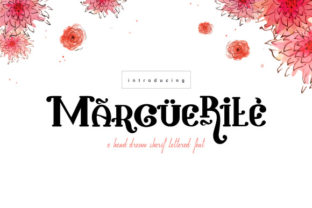
Marguerite is not merely a typeface; it is a crafted artifact. Designed as a modern serif with deliberate imperfections—fluctuating stroke weights, asymmetrical flourishes, and organic terminals that echo hand-drawn lettering—it draws its visual vocabulary from the decorative traditions of classic fairy tale manuscripts and early printed storybooks. Unlike rigid, algorithmically optimized fonts, Marguerite carries the warmth of human touch. Each character feels deliberate, almost whimsical, yet retains the legibility and structural integrity required for professional use.
What sets Marguerite apart is how it balances narrative charm with contemporary functionality. It works across body text and headlines, adapts to both print and screen, and maintains its personality even at smaller sizes. The font includes a full character set with stylistic alternates and ligatures, allowing designers to customize the typographic voice without sacrificing consistency. For anyone building a visual identity that needs to convey authenticity, playfulness, or heritage—without falling into cliché—Marguerite offers a nuanced solution.
The Rise of Ornamental Serifs in Contemporary Design
To understand why Marguerite matters, it helps to see it within the larger arc of design history. From the mid-2010s through the early 2020s, minimalism—especially in digital interfaces—dominated. Sans-serif fonts like Helvetica, Futura, and their web-friendly successors became the default for startups, agencies, and corporate brands. This visual uniformity served clarity and scalability, but it also created a problem: everything began to look the same.
In response, a growing cohort of designers and brand teams began seeking differentiation through expression. The revival of serif typefaces, particularly those with decorative or historical roots, has been one of the most noticeable trends in recent years. Marguerite fits squarely into this re-embrace of ornament, but with a modern twist. It does not merely replicate a historical style; it reinterprets the spirit of fairy tale ornamentation—the swooping vines, the playful serifs, the uneven edges that suggest ink on parchment—through a contemporary lens suited for responsive web design, brand guidelines, and content marketing.
This shift is not just aesthetic. It reflects a deeper change in audience expectations. Consumers, especially those navigating an increasingly automated and AI-generated content landscape, respond to textures of humanity. Ornamental serifs like Marguerite signal care, craft, and intentionality—qualities that differentiate a brand in a crowded feed.
Why Creators and Brands Are Rediscovering Handmade Fonts
The handmade quality of Marguerite taps into a significant cultural and commercial movement: the desire for authenticity. Across industries—from hospitality and fashion to SaaS and publishing—brands are moving away from the sterile, the generic, and the templated. They are looking for typefaces that tell a story before a single word is read.
Consider a boutique hotel brand. A modern sans-serif might convey efficiency, but Marguerite instantly communicates warmth, locality, and a sense of place. For a children’s book publisher or a lifestyle blogger, the font’s fairy tale lineage reinforces narrative and imagination. Even in B2B contexts, where professionalism is paramount, a carefully chosen serif with ornamental details can suggest stability with personality—a balance that generic fonts rarely achieve.
Freelancers and entrepreneurs are especially drawn to Marguerite because it allows them to stand out without investing in custom type design. A solo consultant or a small creative studio can use Marguerite to build a visual identity that feels bespoke and intentional, signaling to clients that attention to detail is part of the service. For marketers, the font offers a way to humanize email campaigns, landing pages, and social media graphics without relying solely on photography or illustration.
Practical Applications Across Industries
Marguerite’s versatility is not theoretical. In practice, it performs well across a range of use cases:
- Brand identity and logo design: The font’s ornamental alternates allow for unique lockups that feel custom. Whether used in a wordmark or as part of a tagline, Marguerite adds a layer of distinctiveness that standard serifs lack.
- Editorial and long-form content: Its readability at text sizes makes it suitable for blog posts, newsletters, and white papers. The subtle decorative elements help maintain reader interest across longer passages.
- Packaging and product labels: Handmade fonts on physical products convey authenticity and craftsmanship. Marguerite works especially well for artisanal food, skincare, and stationery brands.
- Digital interfaces and microsites: Used selectively—for headings, pull quotes, or hero text—Marguerite can break the monotony of UI layouts and inject personality without compromising usability.
- Event materials and invitations: The fairy tale inspiration makes it a natural choice for weddings, launches, and cultural events where storytelling is central.
One practical observation from early adopters is that Marguerite pairs well with clean sans-serif fonts for contrast. A common workflow involves using Marguerite for headlines and a neutral sans-serif like Inter or Work Sans for body copy, creating a hierarchy that is both legible and evocative.
How Changing Consumer Expectations Favor Fonts Like Marguerite
Audiences today are sophisticated visual readers. They recognize when a font is generic, and they subconsciously associate that generic quality with a lack of care. In an era where brand trust is fragile and attention spans are short, every design choice matters. Typography is not just a carrier of text; it is a signal of values.
Marguerite responds to several key shifts in consumer preferences. First, there is a growing appetite for story-driven branding. People want to know the why behind a brand, and a font with a clear narrative origin—like fairy tale ornamentation—supports that story. Second, there is a preference for human-centered design. In a world of AI-generated content, handcrafted elements reassure users that real people are behind the product or service. Third, audiences increasingly value distinctiveness over conformity. As more brands adopt similar minimalist templates, using a distinctive typeface like Marguerite is a competitive advantage.
These expectations are not limited to consumer-facing brands. Internal communications, investor decks, and corporate reports also benefit from typography that feels intentional. Even in conservative industries, a thoughtful serif choice can elevate the perception of professionalism and care.
Marguerite in the Context of Broader Design and Technology Trends
The relevance of Marguerite extends beyond typography trends. It intersects with several larger developments in how we create and consume content.
1. The backlash against over-optimization. For years, design was driven by metrics—click-through rates, conversion optimization, load speeds. While those remain important, there is a growing recognition that purely optimized design can feel sterile. Marguerite represents a counterbalance: a font that prioritizes personality and emotional impact without sacrificing performance.
2. The resurgence of craft in the digital space. From the popularity of handmade illustrations to the rise of “slow web” aesthetics, there is a cultural appetite for artifacts that show evidence of human labor. Marguerite’s handmade quality fits seamlessly into this movement, offering a typographic equivalent of artisanal design.
3. The need for differentiation in AI-generated content. As AI tools become ubiquitous, the baseline of content production is rising. But so is the need for human curation. Using a distinctive font like Marguerite is one way to signal that content has been thoughtfully produced, not just algorithmically generated.
4. The expansion of brand expression beyond logos. Brands are now expected to have a consistent voice across every touchpoint—email, web, social, print. A font like Marguerite provides a cohesive thread that can unify disparate materials, making it a strategic asset for brand managers and content teams.
Integrating Marguerite Into Your Workflow
For professionals considering Marguerite, the key is to use it with intention. Because of its ornamental character, it works best when given room to breathe. Use it in contexts where you want to draw attention or evoke emotion, rather than for utilitarian data or dense technical documentation.
Start by identifying the touchpoints where your brand most needs to express personality. Is it the headline of your homepage? The callout quotes in your newsletter? The cover of your annual report? Apply Marguerite there first. Pair it with generous white space and a restrained color palette to let the letterforms speak.
It is also worth investing time in exploring the font’s stylistic alternates. Many modern serif fonts offer multiple versions of certain letters, and Marguerite is no exception. Using alternates strategically—for example, a swash variant for the first letter of a chapter—can elevate the design without additional cost or complexity.
Finally, test Marguerite across devices and browsers. While the font is designed for digital use, always check rendering on different screens to ensure the ornamental details are visible and not muddy. Use variable weight options if available, and adjust line height and letter spacing to optimize readability.
Conclusion: Embracing Typography as a Strategic Asset
Marguerite is more than a beautiful serif font. It is a response to a market that is tired of sameness and hungry for meaning. In a world where attention is scarce and trust is hard-won, the tools we choose to communicate matter deeply. By embracing a typeface that carries the warmth of handicraft and the narrative depth of fairy tale ornamentation, designers, brands, and creators can forge stronger connections with their audiences.
The decision to use Marguerite is not about following a trend. It is about recognizing that typography is not neutral—it is always saying something. With Marguerite, what it says is: this was made with care, and it was made for you.