Tim: A Relaxed Display Font for Un-Stuffy Design
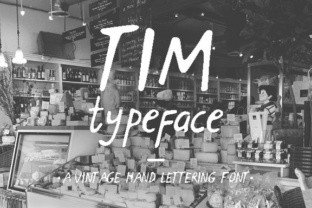
Typography sets the tone before a single word is read. The right typeface can make a message feel approachable, confident, or playful. For designers and creators looking to break away from rigid, formal fonts, Tim offers a refreshing alternative. This handwritten, sans serif display font brings a cool and relaxed energy to any project. It is designed for those who want their work to feel casual, human, and a little bit alternative.
Tim is not a font that tries to blend in. Its hand-drawn quality and laid-back character make it ideal for designs that need personality without feeling chaotic. Whether you are a marketer building a brand identity, a freelancer creating social media content, or an entrepreneur launching a product, this typeface can help you communicate with authenticity and ease.
What Makes Tim Stand Out
Tim belongs to the handwritten sans serif family, but it has a distinct flavor. It is not overly polished or mechanical. Instead, it carries the warmth of something drawn by hand, which gives it an organic, human feel. The letters are clean enough to remain readable, yet loose enough to feel spontaneous.
One of its notable qualities is its relaxed posture. The characters sit naturally on the line, avoiding the stiff uniformity of many sans serif fonts. This makes Tim particularly effective for headlines, logos, and short-form text where you want to grab attention without shouting. The font strikes a balance between being distinctive and approachable, which is harder to achieve than it sounds.
Another strength is its versatility within casual contexts. While some handwritten fonts can feel messy or hard to read at larger sizes, Tim retains clarity. Its letterforms are consistent enough to work in digital environments, yet they never lose that handcrafted charm. This makes it a reliable choice for designers who need a font that works across multiple touchpoints.
Real-World Applications Across Environments
Tim is not a one-trick pony. Its relaxed nature lends itself to a wide range of uses, from personal projects to professional campaigns.
Personal and Creative Projects
If you are a hobbyist or creative individual, Tim can add a personal touch to your work. Consider using it for:
- Invitations and cards – Wedding invitations, birthday cards, or casual gathering announcements benefit from a font that feels warm and inviting.
- Journaling and planners – Digital or printed planners feel more approachable when headings use a humanist, handwritten style.
- Art prints and posters – A bold headline in Tim can anchor a minimalist poster design without feeling sterile.
- Personal branding – Freelancers and artists can use Tim on their portfolio sites or business cards to signal a relaxed, creative identity.
In each of these cases, the font helps the design feel less corporate and more connected to the person behind it.
Professional and Commercial Use
Business owners, marketers, and entrepreneurs often struggle to make their brands feel human. Tim offers a straightforward way to soften a brand's voice. It works well in:
- Social media graphics – Instagram stories, quote cards, and promotional posts look more engaging when the typography feels casual and friendly.
- Website headers – A homepage hero section using Tim immediately signals a brand that does not take itself too seriously.
- Product packaging – Small-batch or artisanal products often use handwritten fonts to convey craftsmanship. Tim fits right into that aesthetic.
- Email newsletters – A welcoming headline in an email can increase open rates by setting a warm tone from the start.
For educators and bloggers, Tim can make digital content feel less like a textbook. Using it for section headers or pull quotes in blog posts or course materials can improve readability and engagement by breaking up dense blocks of text with something more visually relaxed.
Digital and User Experience Considerations
While Tim shines in display roles, it is important to use it thoughtfully in digital products. Because it is a handwritten sans serif, it works best at larger sizes. Avoid using it for long body text or small labels where legibility could suffer. Instead, pair it with a clean, neutral sans serif for paragraphs and secondary information.
On websites, Tim can be used effectively in:
- Navigation headings – A site menu with Tim-style headers feels more approachable, especially for lifestyle or creative brands.
- Call-to-action buttons – A short, bold phrase in Tim can make a button feel less like a command and more like an invitation.
- Testimonials and quotes – Pull quotes in Tim stand out from the rest of the text, drawing the reader's eye and adding personality.
When implementing Tim digitally, always test it across devices and screen sizes. What looks perfectly relaxed on a desktop monitor might appear too condensed or too loose on a mobile screen. Adjust letter-spacing and size as needed to maintain readability.
Benefits That Go Beyond Appearance
Using a font like Tim is not just about aesthetics. It can have real effects on how your audience perceives and interacts with your content.
Improved engagement: A casual, handwritten font can make your message feel more immediate and personal. Readers often respond more positively to content that looks like it was made by a human, not a template. This can lead to higher click-through rates, longer page visits, and more shares on social media.
Stronger brand recall: Brands that use distinctive typography are more easily remembered. Tim's relaxed character can become a signature element of your visual identity. When people see it again, they will associate it with the tone and values of your brand.
Clearer communication of tone: If your brand voice is friendly, casual, or creative, Tim reinforces that message visually. It helps bridge the gap between what you say and how you say it. This consistency builds trust and makes your communication feel more authentic.
Efficiency in design: Because Tim already carries so much personality, you do not need to add many decorative elements around it. A simple layout with a Tim headline and minimal imagery can be very effective. This saves time in the design process and reduces visual clutter.
Practical Considerations When Using Tim
Like any tool, Tim works best when used with intention. Here are a few considerations to keep in mind:
- Pairing with other fonts: Tim pairs well with clean, simple sans serifs like Open Sans, Lato, or Montserrat. Avoid pairing it with other handwritten or script fonts, as that can create visual noise.
- Color and background: Tim looks great on light, neutral backgrounds. Dark or highly textured backgrounds can compete with the font's subtle hand-drawn quality. Keep backgrounds simple to let the type shine.
- Spacing and hierarchy: Give Tim enough breathing room. Avoid crowding it with other elements. Use generous letter-spacing for headlines and tighter spacing for shorter phrases.
- Licensing and usage: Always check the licensing terms for Tim if it is a premium font. Some versions are free for personal use but require a license for commercial projects. Make sure you have the right permissions before using it in client work or products.
- Testing in context: Before committing to Tim across your entire brand or project, test it in the actual environments where it will appear. A font that looks perfect in a mockup might behave differently in a live website or printed material.
Final Thoughts on Tim
Tim is more than just a font. It is a design choice that communicates a specific attitude: relaxed, genuine, and unpretentious. For anyone tired of sterile, corporate typography, Tim offers a way to bring warmth and personality into your work without sacrificing professionalism.
Whether you are designing a brand identity from scratch, refreshing your blog's look, or creating content that needs to connect with a real audience, Tim can help you get there. Use it boldly, pair it wisely, and let its relaxed character do the heavy lifting.
Typography is a subtle art, but the right font can make all the difference. Tim might just be the cool, calm presence your next project needs.