AZ Tiki: Where 50s Pop Art Meets Polynesian Design
If you have ever browsed font libraries looking for something that feels like a vacation, you know how rare that discovery can be. Most typefaces are practical, neutral, and safe. Then there are fonts that carry a mood, a place, and a time. AZ Tiki belongs to that second category. It is a display font drawn from the visual energy of 1950s pop art filtered through Polynesian motifs. Think vintage tiki bars, retro signage, and the kind of graphic design that defined mid-century leisure culture. This font does not whisper. It announces.
For anyone working on a project that needs warmth, nostalgia, or a touch of the exotic, AZ Tiki offers a distinct visual voice. But what exactly makes it stand out, and when should you reach for it? Let us walk through the practical details so you can decide if it fits your next creative or professional effort.
What AZ Tiki Actually Is
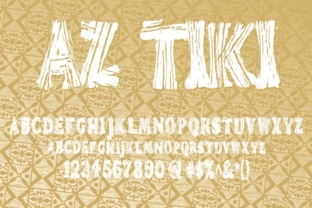
At its core, AZ Tiki is a decorative typeface. It takes its visual cues from the carved forms of Polynesian tiki statues and the bold, playful linework of 1950s commercial art. The result is a font that feels both ancient and mid-century modern at the same time. Letters often have rounded, chunky shapes with carved-looking details. Some characters include decorative notches or tapered ends that mimic wood carving. The overall effect is friendly, warm, and unapologetically stylized.
This is not a font designed for long paragraphs of body text. It is a display face meant for headlines, logos, posters, and anything that needs immediate character. If you imagine a sign outside a tropical-themed cafe or the title card of a retro travel video, you are already picturing the kind of work AZ Tiki does best.
The Main Purpose and Appeal
The primary purpose of AZ Tiki is to evoke a specific atmosphere. It transports viewers to a place that blends mid-century optimism with island-inspired aesthetics. This makes it valuable for anyone who wants to communicate:
- A relaxed, vacation feeling – The font naturally suggests leisure, fun, and escape from the everyday.
- Retro authenticity – Unlike generic "tropical" fonts that feel modern, AZ Tiki has a genuine 50s pop art sensibility.
- Craft and handmade quality – The carved appearance gives projects a tactile, artisanal feel.
- Cultural nod without appropriation – The font is inspired by Polynesian art forms in a respectful, design-oriented way, much like how mid-century designers celebrated island aesthetics.
For creators, this font solves a common problem: how to make something feel themed without looking cheap. A tiki-themed flyer or menu can easily slide into cliché. But AZ Tiki, with its considered shapes and historical roots, adds a layer of tastefulness. It helps your work feel intentional rather than thrown together.
Who Might Want to Use AZ Tiki
This font appeals to a surprisingly wide range of people. You do not need to run a tiki bar to find it useful. Here are some realistic scenarios:
Small business owners and entrepreneurs – If you run a beachside shop, a Hawaiian plate lunch spot, a surf school, or even a vintage clothing store, AZ Tiki can anchor your branding. It works well on signage, merchandise, and social media graphics. The font communicates your vibe instantly without needing extra explanation.
Event planners and party hosts – Luaus, tropical-themed weddings, summer pool parties, and retro cocktail nights all benefit from cohesive visual design. Using AZ Tiki on invitations, drink menus, and photo booth backdrops ties everything together.
Marketers and bloggers – Travel bloggers focusing on Pacific destinations, lifestyle writers covering mid-century design, or content creators making videos about Polynesian culture can use AZ Tiki to create memorable headers and thumbnails. It gives digital content a handmade, approachable feel.
Freelancers and hobbyists – If you design custom t-shirts, create art prints, or build themed websites, this font offers a quick way to add personality. It also pairs well with simpler sans-serif fonts for contrast.
Practical Use Cases That Actually Work
Let us move beyond general ideas into concrete examples. Here is how AZ Tiki performs in real projects:
- Cocktail menu design – A small tiki bar in Portland used AZ Tiki for drink names like "Mai Tai" and "Zombie." Paired with a clean serif for descriptions, the menu felt both fun and readable. Customers commented on the vintage vibe before they even ordered.
- Podcast cover art – A travel podcast about Polynesian navigation used AZ Tiki for the title. The carved look of the letters suggested exploration and craftsmanship, fitting the show's focus on traditional wayfinding.
- Wedding invitation suite – A couple with a beachside ceremony used AZ Tiki for the main headline and a delicate script for names. The contrast between bold retro letters and elegant script gave the invitations a unique, personal feel.
- Merchandise for a surf brand – A small apparel company printed AZ Tiki on t-shirts and tote bags. The font's chunky shapes held up well in screen printing and looked good on fabric.
In each case, the font did not just decorate the project. It communicated a specific mood and helped the audience understand the experience being offered.
Important Things to Consider Before Using AZ Tiki
As with any distinctive font, AZ Tiki works best when you use it thoughtfully. Here are some practical considerations:
Legibility at small sizes – Because of its carved details and unusual shapes, do not use this font for small text. It becomes hard to read below a certain point size. Stick to headlines, titles, and short phrases. For body text, pair it with a clean, neutral font like Open Sans or Lato.
Audience perception – The tiki aesthetic carries cultural weight. While AZ Tiki draws from mid-century pop art rather than directly mimicking sacred Polynesian objects, it is wise to consider your audience. If you are designing something for a Polynesian cultural organization, you might choose a more directly appropriate typeface. For commercial or event use, the font generally reads as retro and fun rather than culturally specific.
Digital versus print – AZ Tiki works well in both environments, but it shines in print where you can see the carved details clearly. On screen, it still looks good, especially at larger sizes. Test it on your intended medium before committing.
Pairing with other fonts – This font is strong and distinctive. It does not play well with other display fonts. Keep things simple. Use AZ Tiki for one element per composition and let everything else stay minimal. A good rule is one display font, one body font, and plenty of white space.
How to Start Using AZ Tiki
Getting started is straightforward. Download the font from a reputable type foundry and install it on your system. Most design software will recognize it immediately. Begin by testing it in a few simple applications:
- Create a poster with a single word in AZ Tiki and see how the shapes interact with the space around them.
- Try it on a mock-up t-shirt design to check readability at a distance.
- Pair it with a neutral background and a single accent color to let the letters stand out.
If you are new to display fonts, remember that less is more. One well-placed headline in AZ Tiki can carry an entire design. You do not need to fill every corner with decoration. Let the font breathe.
Why AZ Tiki Still Matters Today
In a world of minimalist design and clean sans-serifs, a font like AZ Tiki offers something different: personality. It reminds us that design can be playful, warm, and connected to a specific time and place. Whether you are designing for a business, a personal project, or a community event, this font gives you a shortcut to a particular feeling. It says that your project is not just informative but also enjoyable.
That is not a small thing. People respond to visual cues emotionally. When they see a font that reminds them of vintage travel posters, tropical getaways, or mid-century craftsmanship, they feel something. AZ Tiki taps into that emotional response honestly and directly. It is not trying to be everything to everyone. It is here to do one thing well: bring a little bit of 50s island magic to your work.