Level: A Geometric Display Font Built for Impact
Some typefaces are meant to be seen, not just read. Level, created by designer Zachary Manning, belongs to that category. It is a geometric display font that reveals its personality most clearly when used at large sizes. If you have ever scrolled past a poster, billboard, or landing page and stopped because the lettering itself caught your eye, you have experienced what a well-crafted display font can do. Level is designed to create that exact moment of attention.
Understanding what Level offers matters whether you are building a brand, designing a presentation, or simply exploring typography for personal projects. Different audiences approach a font like Level with different priorities. Some care about visual impact. Others focus on readability, cost, or long-term usefulness. This article walks through what Level is, who might benefit from it, and how to decide if it fits your specific needs.
What Makes Level Different
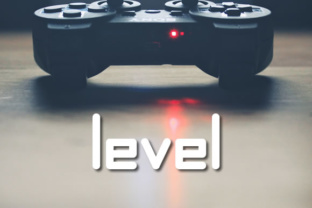
Level is a geometric sans-serif typeface. That means its letterforms are built from simple, clean shapes—circles, straight lines, and consistent curves. Unlike humanist or serif fonts, which often borrow from handwriting traditions, geometric fonts feel precise and modern. Level takes that precision and leans into it with distinctive proportions and a balanced structure.
Zachary Manning designed Level specifically for display use. Display fonts are not intended for long blocks of body text. They shine when scaled up—think headlines, titles, logos, posters, and hero sections on websites. At smaller sizes, details can get lost. At larger sizes, those same details become assets. The open counters, consistent stroke widths, and deliberate spacing in Level make it readable even at big scales while preserving a strong visual identity.
What sets Level apart from other geometric fonts is its personality. Many geometric typefaces feel cold or rigid. Level manages to feel both structured and approachable. There is a warmth in the way the curves interact, even within a strict geometric framework. That balance makes it versatile across different contexts, from bold editorial layouts to friendly brand identities.
Why Designers and Creators Reach for Level
If you work in visual communication—graphic design, web design, illustration, or content creation—your choice of typeface is never arbitrary. Every font carries a tone. A geometric display font like Level communicates clarity, confidence, and a modern sensibility. For designers building brand systems, Level offers a strong anchor. It works well as a primary headline font, especially when paired with a simpler secondary font for body text.
Creators producing social media graphics, YouTube thumbnails, or digital art often need type that stands out in a crowded feed. Small text gets scrolled past. Level, used at a large size with minimal surrounding clutter, grabs attention without relying on decorative effects. The clean geometry means it holds up well on screens of any resolution, from phones to large monitors.
For freelancers and independent creators, one practical consideration is licensing. Level may be available under different terms depending on where you obtain it. Always check whether the license covers commercial projects, web use, or app embedding before committing. A font that fits your aesthetic but comes with restrictive licensing can create problems down the road. Level’s value increases when you can use it freely across the projects you care about.
Practical examples for creatives
Imagine you are designing a poster for a local music event. The band name needs to be readable from across a room, but it also needs to convey energy. Setting it in Level at 120 points with generous letter spacing creates a clean, bold statement that works with almost any background image. You do not need to add outlines, shadows, or effects because the letterforms themselves carry enough presence.
Alternatively, consider a digital product landing page. The headline is your first chance to tell visitors what you offer. Using Level for that headline signals that your product is polished and straightforward. Pair it with a simple body font like Inter or Roboto, and the hierarchy is instantly clear without extra visual noise.
What Business Owners and Marketers Should Know
Typography affects how people perceive a brand. It is not about decoration. It is about communication efficiency. For small business owners and marketers, choosing a font like Level for headlines, signage, or packaging can reduce the amount of effort needed to make materials look professional. A well-chosen typeface does half the design work.
Level’s geometric nature leans toward a modern, minimalist aesthetic. That makes it a natural fit for tech companies, creative agencies, lifestyle brands, and any business that wants to appear forward-thinking. If your brand voice is playful or traditional, Level might feel too rigid. Context matters. A font that works for a co-working space might feel out of place on a craft bakery menu. Evaluate Level within your existing visual identity rather than forcing it to fit.
For marketers designing ads, Level’s strength at large sizes is a direct advantage. Print ads, billboards, and social media banners all rely on short, impactful text. A headline set in Level is legible at a glance. That legibility translates to better engagement because viewers absorb the message faster. When every second of attention counts, reducing friction in reading is a real benefit.
Cost is another factor. Some fonts require paid licenses, and display fonts often come with higher price tags than basic text fonts. However, investing in a quality typeface that you use repeatedly across materials is usually more cost-effective than relying on free alternatives that lack character or consistency. Evaluate Level’s pricing relative to how often you would actually use it. If it becomes a core part of your brand toolkit, the cost is justified.
How Educators and Hobbyists Might Approach Level
Typography is not only for professionals. Teachers, students, and hobbyists exploring design can learn a lot from studying fonts like Level. It exemplifies how geometric construction works in practice. Analyzing the letterforms—the circular “O,” the straight-sided “A,” the balanced “M”—reveals how small adjustments affect readability and mood.
If you are teaching a graphic design class or a unit on visual communication, Level makes a good case study. Compare it to a geometric font like Futura or Century Gothic. Notice where Level differs in proportion, spacing, or stroke contrast. These differences matter when students learn to choose typefaces deliberately rather than by habit.
Hobbyists working on personal projects—event invitations, photo books, personal logos, or home decor prints—often want professional results without professional training. A font like Level lowers the barrier. Because it is already well-designed, it looks good with minimal formatting. You can set it, size it up, and your project instantly looks more intentional. That reliability is valuable when you are experimenting and learning.
Learning value beyond the font itself
Using Level also teaches something about typographic hierarchy. When you have a font that works best at large sizes, you naturally start thinking about what deserves emphasis. You learn to treat type as a tool for guiding attention, not just for displaying words. That lesson carries over to any future project, whether you stick with Level or move on to other typefaces.
Is Level Right for Your Project
The honest answer depends on what you are building. Level excels in contexts where the text is short, visible, and meant to make an impression. If your project involves lengthy paragraphs, dense reports, or small interface labels, Level is probably not the best choice. It is a display font, not a workhorse body font. Using it for everything would weaken its impact and make reading tiring.
Ask yourself a few questions. Does your project rely on headlines or titles that need to stand out? Are you designing for print or screen at sizes above 24 points? Do you want a modern, clean look that does not feel cold? If you answered yes, Level is worth considering. If your primary need is readable body text at 12 points, keep looking for a font designed for that purpose.
Also consider your audience. A geometric display font resonates differently depending on who is viewing it. A tech-savvy audience might recognize it as deliberate and contemporary. A general consumer audience might simply perceive it as clean and professional. That is usually enough. You do not need viewers to identify the font by name. You need them to feel that the design is competent and appropriate.
Reliability and Long-Term Usefulness
Fonts are investments, especially when you use them across multiple projects over time. One advantage of geometric display fonts is that they tend to age well. Because they avoid trendy flourishes, they do not look dated as quickly as more decorative styles. Level’s clean geometry should remain relevant for years, provided you use it consistently.
That longevity makes it suitable for entrepreneurs and small business owners who want a stable brand identity. Changing fonts every year confuses your audience and dilutes recognition. Selecting a font like Level now, and sticking with it, builds visual consistency. Over time, that consistency becomes part of how people remember your brand.
For consumers or hobbyists who may only need a font for one specific project, long-term usefulness matters less. You can evaluate Level purely on how well it serves that single purpose. If the project is important enough to invest in a quality font, Level delivers. If the project is casual, a free alternative might suffice. There is no right answer for everyone. The key is matching the tool to the task.
Making the Decision
Level by Zachary Manning is a purposeful, well-executed geometric display font. It rewards those who use it at scale and in contexts where its clean lines can breathe. Designers will appreciate its proportions and versatility. Business owners will value the professional polish it brings to headlines and branding. Educators can use it to teach typographic principles. Hobbyists will find it forgiving and effective for personal projects.
No single font works for every situation. Level is not an exception. But within its intended use—large, visible text that needs to communicate clarity and confidence—it performs exceptionally well. Understanding your own goals, audience, and project constraints will tell you whether Level belongs in your toolkit. And if it does, it will likely become a resource you return to again and again.