Peak: A Handmade Brush Font for Creative Projects
Imagine you are designing a wedding invitation that needs to feel warm, personal, and handcrafted. You open your font library and scan through endless sans-serif and serif options, but none capture that organic, human touch. Then you come across Peak—a handmade brush font that instantly transforms your design from sterile to soulful. This article explores everything you need to know about Peak, from its distinctive characteristics to practical ways you can use it in your own projects. Whether you are a professional designer, a small business owner, or someone creating invitations for a special event, understanding what Peak offers can help you decide if it is the right typeface for your next creative endeavor.
What Makes Peak Distinctive?
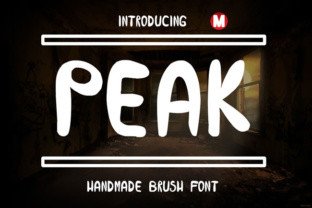
Peak is a handmade brush font, which means each character is crafted by hand using a brush before being digitized. This process gives the font a natural, imperfect quality that is difficult to replicate with standard vector typefaces. The strokes carry subtle variations in pressure, thickness, and angle, mimicking real brushwork. Here are some defining features of Peak:
- Organic Texture: The edges of each letter are slightly rough, creating a tactile feel that suggests ink on paper.
- Fluid Connections: Many lowercase letters connect with smooth ligatures, giving words a handwritten flow.
- Variety of Weights: Peak often includes multiple weights (light, regular, bold) and even an italic style, allowing for flexibility in design.
- Extended Character Set: Beyond standard letters, Peak typically supports punctuation, numerals, and accented characters, making it suitable for multilingual projects.
- Contextual Alternates: Some versions of Peak include alternate glyphs that automatically replace default letters based on their position in a word, adding more natural variation.
These elements combine to create a font that feels authentic and approachable. It is not trying to be perfect; instead, it embraces the charm of handwritten brushstrokes. This makes it an excellent choice for projects where you want to convey warmth, creativity, and a sense of personal attention.
Where Peak Shines: Real-World Applications
Peak's character makes it versatile across many design applications. Below are some of the most common scenarios where this font excels.
Invitations and Greeting Cards
Whether it is a wedding, birthday, baby shower, or holiday celebration, invitations set the tone for an event. Peak’s brush aesthetic immediately communicates a handmade, personal touch. For example, when used for the names of the couple on a wedding invite, the font adds romance without being overly ornate. Pair it with a clean sans-serif for body text to maintain readability. Greeting cards benefit similarly: a “Thank You” in Peak feels heartfelt and unique, standing out from mass-produced designs.
Branding Materials and Business Cards
Small business owners and creative professionals often seek fonts that reflect their brand’s personality. A coffee shop, bakery, or art studio might use Peak for its logo or tagline because the brush style suggests craftsmanship and artisanal quality. On business cards, using Peak for the name or title draws attention and makes a memorable impression. However, it is important to use it sparingly—overusing a decorative font can reduce legibility. Combining Peak with a simple, neutral typeface for contact information strikes a good balance.
Quotes and Posters
Inspirational quotes are popular on social media, prints, and wall art. Peak’s expressive strokes give quotes a dynamic, energetic look. A motivational phrase like “Create your own sunshine” rendered in Peak feels like it was painted on a canvas. For posters, using Peak for the main headline can capture attention from a distance. The font works especially well in large sizes where the brush texture is most visible.
Online Use and Digital Designs
Although Peak is a handwriting font, it is fully digitized and can be embedded on websites or used in digital graphics. Many designers incorporate it into social media posts, blog headers, and email newsletters. Because it is legible even at medium sizes (unlike some ultra-thin scripts), it remains effective on screens. Just be mindful of loading times: if using Peak as a web font, ensure you host it efficiently or use a subset of characters.
Who Will Benefit Most from Using Peak?
Different audiences find value in Peak depending on their needs. Here is a breakdown of who can benefit:
- Graphic Designers and Illustrators – Professionals looking for an authentic brush font to add a human element to their work. Peak integrates well into layouts that require a handcrafted feel.
- Small Business Owners – Entrepreneurs who manage their own marketing materials and need a font that conveys personality without hiring a lettering artist. Peak offers consistency across all branding touchpoints.
- Event Planners and Invitation Designers – Those who create custom stationery and want a font that feels personal yet professional. Peak speeds up the design process because it is ready to use.
- Hobbyists and DIY Creators – Individuals making cards, signs, or digital art for personal projects. Peak is easy to install and use in popular design software, making it accessible to non-experts.
- Content Creators and Social Media Managers – People who need eye-catching text overlays for images and videos. Peak adds aesthetic value to quotes, titles, and call-to-action phrases.
Strengths and Considerations
No font is perfect for every situation. Understanding Peak’s strengths and limitations helps you make informed choices.
Strengths
- Authenticity and Warmth: The handmade brush effect creates an emotional connection that flat, digital fonts lack.
- Versatility in Style: With multiple weights and alternates, Peak can be used for headers, subtext, or even logos.
- Great for Short Text: It is highly effective in headlines, names, and short phrases where its texture can be appreciated fully.
- Broad Compatibility: Peak works across print and digital media, and most versions support standard OpenType features.
Considerations and Limitations
- Legibility in Long Passages: Brush fonts can be tiring to read in large blocks of text. Use Peak for titles and callouts, not for body copy.
- Not Suitable for Formal Corporate Communication: A law firm or financial institution would likely find Peak too casual. It works best for creative, artistic, or lifestyle brands.
- Potential Overuse: Because it is distinctive, using Peak in too many places within a single design can look chaotic. Restraint is key.
- Licensing: Check the license agreement. Some versions of Peak are free for personal use but require a purchased license for commercial projects.
How to Evaluate If Peak Fits Your Project
Before committing to Peak, take a step back and analyze your project’s needs. Follow these practical steps to decide:
- Identify the Tone: What feeling do you want to convey? Warm, creative, handcrafted? Peak suits these tones well. If you need sleek, modern, or authoritative, consider another font.
- Consider Readability: Will the text be read primarily at a glance (like a poster) or in longer paragraphs? For longer reading, use Peak only for headings and pair it with a readable sans-serif or serif.
- Test in Context: Place sample text in your actual design. Check if the characters look balanced at the intended sizes. Pay attention to kerning and tracking—some brush fonts require manual adjustment.
- Combine with Complementary Fonts: Peak pairs well with minimal typefaces such as Montserrat, Lato, or Roboto. Avoid pairing it with another decorative script to prevent visual clutter.
- Check Technical Requirements: Ensure your software supports OpenType features if you want access to alternates and ligatures. For web use, confirm the font file format (WOFF, WOFF2) and load times.
- Review the License: Whether you are designing a single invitation or a full brand identity, make sure the license covers your usage. If in doubt, contact the foundry or author.
Practical Examples of Peak in Action
Let us walk through two realistic applications to see how Peak performs.
Example 1: Wedding Invitation Suite – A bride wants rustic, boho-style invitations. The designer uses Peak in the dark brush weight for the couple’s names and in the light weight for “Request the honor of your presence.” The body text is set in a simple serif (e.g., Garamond) for readability. The result is a cohesive, elegant suite that feels handmade without looking messy. The slight texture of Peak echoes the linen paper texture used in printing.
Example 2: Coffee Shop Branding – A local coffee roaster rebrands with a focus on artisan quality. The logo uses Peak in bold for the shop name, with a subtle drop shadow mimicking a stamp. Menu boards use Peak for category headers (“Espresso,” “Pour Over”), while drink descriptions are in a clean sans-serif. This pairing communicates care and craft without overwhelming the customer. The font’s uneven brush strokes subtly suggest that every cup is made by hand.
These examples show that Peak is not just a font; it is a design tool that shapes how people perceive your work. Its value lies in its ability to infuse personality and warmth into projects where authenticity matters.
Final Thoughts on Peak
Peak is more than a nostalgic throwback to handwritten typography. It is a well-crafted, usable tool for modern designers who want to add a human touch to digital and print media. Its strengths are most apparent in short-form text, branding for creative businesses, and any project where a handmade aesthetic is a strategic choice. By understanding its features, acknowledging its limitations, and applying it thoughtfully, you can leverage Peak to elevate your designs and connect more deeply with your audience. Whether you are crafting an invitation or building a brand identity, Peak offers a friendly, artistic voice that stands out in a world of sterile fonts.