Thriller Font: A Hand-Crafted Brush Typeface with a Haunting Edge
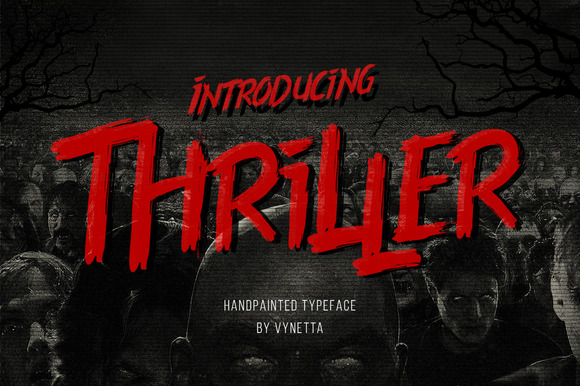
When a design project calls for something raw, expressive, and just a little unsettling, the typeface you choose can make all the difference. Fonts carry personality, and few capture a sense of eerie authenticity quite like Thriller. This is not a sterile, vector-perfect typeface born from cold algorithms. Instead, Thriller begins with real brush strokes on physical paper—each character painted by hand before being carefully digitized and perfected. The result is a font that feels alive, unpredictable, and inherently atmospheric. Whether you are designing a Halloween poster, a horror novel cover, or a rebellious brand identity, Thriller offers a distinct visual voice that stands apart from conventional display fonts. In this article, we will explore what makes Thriller unique, where it shines, and how to decide if it is the right fit for your next creative project.
The Making of Thriller: From Brush to Digital
Understanding the origin of Thriller helps explain why it looks and feels the way it does. The font is not based on digital sketches or automated tracing. Instead, each letterform was first painted manually with a brush, allowing for natural variation in stroke width, pressure, and angle. This handcrafted process gives Thriller an organic texture that is difficult to replicate with purely digital tools. Imperfections—tiny splatters, uneven edges, and subtle wavering in the lines—become features rather than flaws. After the physical artwork was complete, each character was digitized and refined to ensure usability across modern platforms. The goal was never to smooth away the handmade quality, but to preserve it while making the font technically reliable. That balance between raw artistry and practical functionality is what gives Thriller its distinctive character. Designers who value authenticity will appreciate that this typeface carries the imprint of a real human hand.
Two Versions, One Voice: Thriller Regular and Thriller Italic
Thriller comes in two distinct versions, each serving a slightly different purpose while sharing the same hand-painted DNA. The Thriller Regular version offers an upright, bold stance that commands attention. It works especially well for headlines, logotypes, and any application where you need a strong, readable presence with a rough edge. The Thriller Italic version, on the other hand, introduces a dynamic slant that suggests motion, urgency, or even menace. The italic variant can be particularly effective for emphasizing short phrases, creating a sense of speed, or adding a destabilizing effect to a layout. Both versions maintain the brush-drawn details—the tapered ends, the uneven ink distribution, and the subtle roughness that makes each letter feel like it was stamped onto the page. Because the two versions are designed to work together, you can mix them thoughtfully to create contrast and hierarchy within a single composition. For example, use Thriller Regular for a main headline and Thriller Italic for a subheading or callout to create visual tension that reinforces a spooky or intense theme.
The Scary Aesthetic: Why Thriller Feels Like Halloween
Thriller is often described as having a scary look and feel, and that reputation is well earned. The hand-painted origins of the font lend themselves naturally to themes of horror, mystery, and the macabre. The irregular brush strokes can evoke the look of dripping ink, blood spatter, or hastily scrawled warnings on a weathered wall. This makes Thriller an excellent choice for Halloween-themed designs, haunted house promotions, horror movie posters, and dark fantasy book covers. However, the font does not rely on overtly gothic flourishes or decorative skulls to convey its mood. Instead, the menace is embedded in the very construction of the letters. The uneven stroke weights create a sense of instability, as if the text might shift or distort at any moment. The open spaces within characters feel rough and unfinished, adding to the unsettling impression. When paired with appropriate colors—deep reds, blacks, muted oranges, or sickly greens—Thriller can transform an ordinary layout into something genuinely eerie. Yet, despite its horror credentials, the font is versatile enough to work in other contexts where a handcrafted, gritty aesthetic is desired.
Where Thriller Thrives: Real-World Applications
The practical uses for Thriller extend far beyond Halloween decorations. Its expressive nature makes it suitable for a wide range of projects, particularly those that benefit from a human touch or a sense of urgency.
- Event Posters and Flyers: For music festivals, haunted attractions, theater productions, or underground club nights, Thriller delivers the raw energy that polished fonts often lack. The hand-painted look conveys immediacy and grit.
- Book Covers and Editorial Design: Horror, thriller, and mystery genres benefit from the font's ability to set a mood before a single word is read. Thriller can anchor a cover design or be used for chapter titles to maintain a consistent atmosphere.
- Branding for Niche Businesses: Tattoo parlors, escape rooms, haunted tours, alternative clothing brands, and craft breweries with a dark or edgy identity can use Thriller to signal authenticity and a hands-on approach.
- Packaging and Merchandise: Limited-edition products, seasonal items, or anything targeting a niche audience can stand out with a custom, hand-lettered feel. Thriller works well on apparel, stickers, and promotional materials.
- Digital Media and Social Graphics: YouTube thumbnails, Instagram posts, and streaming overlays for horror-themed content gain personality when Thriller is used for titles or callouts. The font reads well at larger sizes, making it effective for short, impactful messages.
- Signage and Environmental Design: For physical spaces like haunted houses, themed restaurants, or pop-up events, Thriller can be used on signs, menus, or wall graphics to extend the immersive experience.
In each of these scenarios, Thriller serves as more than just a means of communication—it becomes a visual element that shapes perception and emotion. The font does not merely inform; it sets a tone.
Who Benefits from Using Thriller?
Thriller is not a one-size-fits-all typeface, but for certain users, it can be an invaluable asset. Graphic designers and creative professionals who work on themed projects will find that the font saves time by providing an authentic hand-painted look without the need to commission custom lettering. Business owners in the entertainment, hospitality, or retail sectors can use Thriller to differentiate their brand in a crowded market. Content creators and social media managers looking for a distinctive visual style can rely on the font to create cohesive, memorable graphics. Hobbyists and DIY designers working on personal projects—such as party invitations, costume party flyers, or fan art—will appreciate that Thriller is easy to use and immediately impactful. In short, anyone who needs a font that communicates intensity, craftsmanship, and a touch of darkness can benefit from adding Thriller to their toolkit.
Strengths, Considerations, and Practical Limitations
Like any specialized typeface, Thriller has strengths that make it shine in certain contexts and limitations that should be considered before committing to a project.
Key Strengths
- Authentic handcrafted aesthetic: The brush-painted origins give Thriller a unique texture and warmth that machine-made fonts cannot replicate.
- Strong emotional resonance: The font naturally evokes feelings of unease, excitement, and raw energy, making it ideal for mood-driven designs.
- Two versions for flexibility: Having both Regular and Italic allows for typographic hierarchy and emphasis within a single design system.
- Good legibility at display sizes: When used for headlines or large text, Thriller remains readable while retaining its rough character.
- Versatile beyond horror: While it excels at spooky themes, the font can also serve punk, grunge, vintage, or folk-inspired projects.
Important Considerations
- Not suitable for body text: The irregular strokes and hand-painted nature make Thriller difficult to read at small sizes or in long paragraphs. Reserve it for headlines, short phrases, and accent text.
- Limited character set in some versions: Depending on the specific release, Thriller may not include extended language support or advanced OpenType features. Check the font documentation before committing to projects with special characters.
- May overpower subtle designs: The strong personality of the font can dominate a layout. Use it with restraint to avoid visual chaos.
- Licensing matters: Always verify the license terms for commercial use, especially if you are using Thriller for branding, merchandise, or digital products that will be sold.
Understanding these factors helps you use Thriller strategically rather than haphazardly. When deployed in the right context, the font's strengths far outweigh its limitations.
Evaluating Suitability: Is Thriller Right for Your Project?
Before you commit to using Thriller in a design, take time to evaluate whether it aligns with your goals. Start by asking yourself what emotional response you want your audience to have. If the answer involves excitement, curiosity, unease, or a sense of raw authenticity, Thriller is likely a strong candidate. Next, consider the scale and medium. Will the text appear primarily on digital screens, printed materials, or both? Thriller performs well in both environments, but it demands sufficient size to preserve its detail. At small sizes, the hand-painted intricacies can blur or become muddy. Also, think about the supporting elements in your design. The font pairs well with minimalist layouts, dark backgrounds, and complementary sans-serif typefaces for contrast. Avoid pairing Thriller with other highly decorative fonts, as the result can be visually confusing. Finally, test the font in context. Create a mockup that includes your actual content, and evaluate whether the letterforms enhance or distract from the message. Trust your instincts—if Thriller feels like it belongs, it probably does.
Practical Guidance for Getting the Most Out of Thriller
To maximize the impact of Thriller in your designs, keep a few practical tips in mind. First, use the font sparingly. A little goes a long way, especially when the typeface has such a strong visual presence. Let Thriller carry the emotional weight of your headline, and let other design elements support it rather than compete. Second, experiment with color and texture. Because Thriller has a rough, painted quality, it responds well to overlays, shadows, and distressed effects. Try applying a subtle grunge texture behind the text or using a gradient that mimics ink bleeding into paper. Third, consider kerning and spacing. The irregular nature of hand-painted letters may require manual adjustments in some applications, particularly when creating logos or tightly set headlines. Finally, combine Thriller Regular and Thriller Italic deliberately. Use the Regular version for stable, authoritative statements and the Italic version for dynamic, action-oriented phrases. This interplay can add depth and narrative flow to your typography.
Conclusion: Embrace the Handcrafted Edge of Thriller
In a design landscape dominated by sleek, uniform typefaces, Thriller stands out as a reminder of the power of human touch. Every letter carries the evidence of a brush moving across paper, and that authenticity translates into designs that feel immediate and emotionally charged. Whether you are creating a Halloween event poster, branding a horror-themed business, or simply looking for a font that breaks away from the ordinary, Thriller offers a distinctive solution that is both practical and evocative. By understanding its origins, respecting its limitations, and using it strategically, you can harness the full potential of this hand-painted typeface. The next time your project needs a voice that is raw, haunting, and undeniably real, let Thriller speak for you.